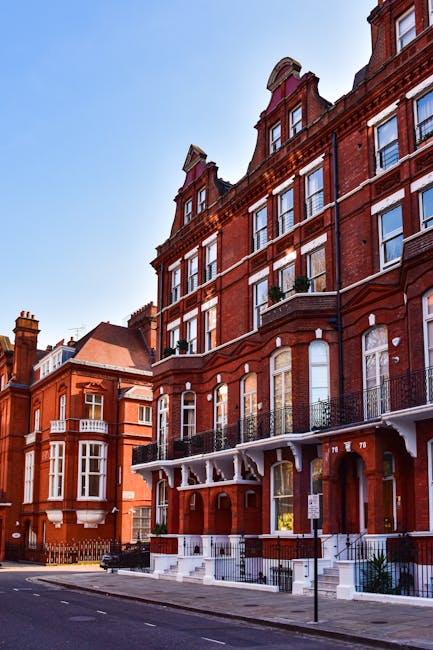
Kensington High Street end of tenancy cleaning checklist: a room-by-room guide for a smoother move-out
Moving out near Kensington High Street can feel like a strange mix of excitement and admin. One minute you're thinking about your next place, the next you're staring at skirting boards, extractor fans, and that one stubborn mark on the hob that seemed invisible for months. A proper Kensington High Street end of tenancy cleaning checklist helps you tackle the lot without missing the small details that often lead to awkward inspection comments.
This guide is built for real move-outs in West London flats, maisonettes, and family homes, where expectations can be high and time is usually short. You'll find a practical room-by-room checklist, common mistakes to avoid, a simple comparison of cleaning approaches, and a few local realities that make a difference. If you want a broader view of the services behind a professional move-out clean, you can also look at the end of tenancy cleaning service in West Kensington and the wider services overview.
Truth be told, end of tenancy cleaning is rarely about perfection for its own sake. It's about leaving the property in a condition that feels fair, tidy, and ready for the next person. That is the real target.
Table of Contents
- Why Kensington High Street end of tenancy cleaning checklist Matters
- How Kensington High Street end of tenancy cleaning checklist Works
- Key Benefits and Practical Advantages
- Who This Is For and When It Makes Sense
- Step-by-Step Guidance
- Expert Tips for Better Results
- Common Mistakes to Avoid
- Tools, Resources and Recommendations
- Law, Compliance, Standards, or Best Practice
- Options, Methods, or Comparison Table
- Case Study or Real-World Example
- Practical Checklist
- Conclusion
- Frequently Asked Questions
Why Kensington High Street end of tenancy cleaning checklist Matters
End of tenancy cleaning matters everywhere, but around Kensington High Street it tends to matter a little more because properties are often looked after carefully and checked carefully too. Landlords, letting agents, and inventory clerks usually expect a clear move-out standard: clean surfaces, fresh-smelling rooms, and no obvious build-up of dust, grease, or limescale. If the property has been a furnished flat, there may also be extra attention on upholstery, carpets, and kitchen appliances.
A checklist gives structure to what can otherwise feel like chaos. Without one, people tend to clean the obvious things first and leave the hidden bits until the very end. Then the evening before handover arrives, and suddenly the oven seal, inside the washing machine drawer, and the top of the wardrobe are still waiting. We've all seen that kind of scramble.
There's also a local reality worth mentioning: Kensington High Street properties often sit in busy, lived-in buildings where dust, traffic film, and everyday wear build up faster than you might expect. If you live close to the road or in a building with older ventilation, little details can become very noticeable. That's why a room-by-room approach works better than a vague "clean the flat" plan.
If you are moving between rentals, or considering buying in the area and want a feel for the local housing landscape, the Kensington property market guide and expert's guide to buying real estate in Kensington can be useful background reading. Not because they tell you how to scrub a bathroom, obviously, but because they help explain why standards can feel so exacting here.
How Kensington High Street end of tenancy cleaning checklist Works
The checklist works by breaking the property into manageable zones and tackling each one in a logical order. That usually means starting with the messiest areas, like kitchens and bathrooms, then moving to dust-sensitive spaces such as bedrooms and living rooms, and finishing with floors, touch points, and final inspection details.
A good end of tenancy clean is not just a quick surface wipe. It usually includes:
- dust removal from high and low surfaces
- degreasing kitchen appliances and fittings
- descaling bathroom fixtures where needed
- vacuuming and mopping floors
- cleaning inside cupboards, drawers, and storage spaces
- spot cleaning marks on doors, switches, and skirting boards
- checking windows, tracks, and sills
For many tenants, the checklist is also a time-saving tool. It tells you what can be cleaned early, what must be left until the end, and where to spend extra effort. For example, there's little point polishing a sink before you've finished the oven racks or emptied the cupboards. Clean in the wrong order and you end up doing bits twice. Not ideal.
Professionals tend to work from top to bottom and from dry cleaning to wet cleaning. That means dust first, grease next, then floors last. It sounds simple, but in practice it prevents muddy streaks, dripping residue, and that frustrating feeling that a room somehow looks dirtier after you've cleaned it. If you want a trusted service reference point, the about us page explains the local approach behind the work, while the insurance and safety information is useful if you're comparing providers.
Key Benefits and Practical Advantages
A strong cleaning checklist saves time, but the bigger advantage is control. You know what has been done, what still needs attention, and what evidence you have if a checkout dispute ever comes up. That is especially reassuring when a tenancy deposit is involved and the final inspection is scheduled tightly around move-out day.
Here are the main practical benefits:
- Less stress: you're working from a plan rather than panic.
- Better standards: nothing important gets skipped just because it was out of sight.
- Faster handover: you can finish on time without last-minute scrubbing.
- More confidence at inspection: the property looks cared for, not rushed.
- Better value from professional help: if you book a service, the team can focus on the most demanding areas.
There's a practical money angle too. If you spend an extra hour on the right jobs - ovens, limescale, carpet spots, window ledges - you may avoid costly back-and-forth after checkout. That doesn't guarantee anything, of course, but it does put you in a far stronger position.
For tenants who have used the flat for long periods, a checklist also helps separate normal wear from cleaning issues. A worn carpet is one thing. A carpet full of crumbs and stains is another. The distinction matters.
And if you are coordinating a full move, it helps to know what else is available locally. Some people combine an end of tenancy clean with carpet cleaning in West Kensington or upholstery cleaning when the soft furnishings need a proper refresh. That can be the difference between "looks okay" and "looks properly done".
Who This Is For and When It Makes Sense
This checklist is for tenants, landlords, and even property managers who want a clear, sensible process for moving out of a property on or near Kensington High Street. It is especially useful if any of the following sound familiar:
- you're leaving a flat with built-in appliances and fitted storage
- the inventory report at move-in was detailed
- there are carpets, upholstery, or delicate finishes in the property
- you've only got one or two days between packing and checkout
- you want to reduce the chance of avoidable disputes
It also makes sense if you're not moving far but still want to leave well. People often assume a short local move means they can "just give everything a quick once-over." Sometimes that works. Often it doesn't. The kitchen says otherwise.
Landlords can use the same structure to decide whether a property is genuinely ready to re-let. And for occupiers in shared buildings, the checklist can help distinguish between the private areas you need to clean and the communal bits that may be handled separately. Small detail, but important.
If your move-out is part of a wider change, maybe to another Kensington address or a nearby neighbourhood, you may also find the local context helpful in the Kensington local tips guide and the piece on moving around Kensington from High Street to Hyde Park. Both give a better sense of the area's day-to-day rhythm.
Step-by-Step Guidance
Here is a practical order that works well for most Kensington High Street move-outs. It is simple, but it keeps you sane.
1. Start with a clear room survey
Walk through the property before you clean anything. Open cupboards. Look behind doors. Check under beds, sofas, and appliances. Jot down what needs attention in each room. You'll spot the jobs that usually get missed, like dust on top of curtain poles or grease around handles.
2. Remove waste and personal items
Before deep cleaning begins, clear everything out. That includes bin bags, fridge contents, old food, bathroom items, and forgotten bits in drawers. This sounds obvious, but to be fair, it's easy to miss a medicine bottle in a bathroom cabinet or a single kitchen tool in a drawer.
3. Clean high surfaces first
Work from the top down. Dust light fittings, shelves, picture rails, curtain rails, and the tops of wardrobes. Then move lower to skirting boards, furniture fronts, and visible marks on walls and doors. High surfaces collect more dust than people think, especially in homes near busy roads.
4. Tackle the kitchen in detail
The kitchen often takes the most time. Clean the oven, hob, extractor hood, splashbacks, sinks, taps, fridge, freezer, dishwasher front, and all cupboard interiors. Pull out removable racks and drawers if needed. Wipe behind and around appliances where accessible. If there's a stubborn grease layer, use a proper degreaser and give it a little dwell time rather than scrubbing too soon.
5. Focus on bathrooms and limescale
Bathrooms need more than a quick wipe. Descale taps, shower screens, tiles, and toilet fittings. Clean the grout, the sealant, the mirror, and the extractor cover. Check the shower tray edges and around plugholes. If there's mould, use a suitable bathroom cleaner and allow enough time for it to work. Rushing here usually shows.
6. Refresh bedrooms and living areas
Vacuum thoroughly, including under movable furniture. Clean wardrobes and drawers inside and out. Wipe door handles, switches, window ledges, and any built-in shelving. If there are carpet marks or pet smells, consider whether a professional carpet clean is worth it. In many cases, it is.
7. Finish with floors and final touch points
Vacuum and mop at the end, not the beginning. Then do a final walk-through with natural light if possible. Morning or late-afternoon daylight tends to show streaks and missed dust more clearly. Check the places people often overlook: behind doors, around radiators, under sinks, and along skirting edges.
8. Photograph the finished property
Once you're done, take clear photos of each room. This is not about being dramatic. It is simply smart. If there is any later question about condition, you'll have a record of what you left behind.
Expert Tips for Better Results
Here's where a little experience saves a lot of effort. First, don't try to clean in a frantic all-at-once burst. Break the job into blocks. A kitchen one day, bathrooms the next, final detailing on move-out day. It sounds boring, but boring is sometimes efficient.
Second, use the right products for the surface. A strong cleaner on a delicate finish can do more harm than good. Stainless steel, natural stone, painted wood, and glass each need a slightly different touch. If you're unsure, test a small hidden spot first. No heroics required.
Third, don't ignore smells. A room can look clean but still carry a stale odour from bins, damp towels, or a fridge seal that hasn't been wiped properly. Open windows where possible, let the air move through, and clean the places that trap scent. Little thing, big difference.
Fourth, pay attention to edges. The line where the floor meets the wall, the lip of the sink, the seam around the bath. Those edges are where inspections often linger. They collect dust and grime quietly, almost politely, until one day they don't.
Finally, remember that a good result is often about consistency rather than force. A steady pass over every surface beats one heroic scrub in one room and half-done corners everywhere else. That's just how it goes.
Common Mistakes to Avoid
Most problems with move-out cleaning come from the same few habits. The good news? They're avoidable.
- Leaving the kitchen until last: ovens and hobs need time, not panic.
- Cleaning only visible surfaces: cupboards, ledges, and behind appliances matter too.
- Using too much product: residue can leave a sticky finish or dull marks.
- Forgetting limescale: taps and shower screens can look fine at first glance, then fail inspection.
- Skipping windowsills and tracks: these are small but very visible.
- Not checking the inventory report: that document often sets the standard you'll be measured against.
Another common mistake is assuming a regular domestic clean is enough. Sometimes it is not. End of tenancy cleaning is usually more detailed than weekly or fortnightly housekeeping, and the difference shows up in the corners. If you need ongoing support before or after a move, house cleaning in West Kensington and domestic cleaning services may be useful alongside a one-off end of tenancy clean.
Tools, Resources and Recommendations
You do not need a truckload of equipment, but you do need the right basics. A small, sensible kit usually beats a cupboard full of half-used bottles.
- microfibre cloths
- non-scratch sponge pads
- vacuum cleaner with attachments
- mop and bucket
- all-purpose cleaner
- degreaser for kitchen build-up
- bathroom cleaner or descaler
- glass cleaner
- rubber gloves
- bin bags and a simple organiser box for loose items
For more specialist jobs, such as carpets or heavily used sofas, it may be easier and safer to book trained help rather than buying tools you'll use once every few years. That is where the local service pages can help you compare options. The carpet cleaning page is a practical starting point, while the upholstery cleaning service is useful if the furniture needs extra attention.
It's also worth checking practical matters before the clean begins: parking access, lift access, building hours, and whether water or electricity might be temporarily restricted during the move. Those details sound dull, but they matter on the day.
Law, Compliance, Standards, or Best Practice
In the UK, end of tenancy cleaning is usually guided more by tenancy agreements, inventory reports, and reasonable cleanliness expectations than by one single universal rule. That's why it's so important to read your tenancy documents carefully. The standard is often "return the property in the same condition as at the start, allowing for fair wear and tear," but the exact wording can vary.
Best practice is to keep things evidence-based and practical:
- compare the final condition with the inventory from move-in
- save receipts if you book a professional service
- take dated photos after cleaning
- report any pre-existing damage separately from cleaning issues
- avoid attempting unsafe DIY work, especially on electrics or hard-to-reach fixtures
If you hire a cleaning company, it's sensible to review their terms, payment process, and safety practices before booking. The relevant pages on terms and conditions, payment and security, complaints procedure, and health and safety policy are all worth a look. They help set expectations early, which is always better than sorting things out later under pressure.
There's no need to be alarmed about compliance. Just be tidy in your process, clear in your records, and sensible about what you promise. That goes a long way.
Options, Methods, or Comparison Table
People usually choose one of three routes: do it themselves, do most of it themselves and outsource the hard bits, or book a full professional end of tenancy clean. Each can work. The best choice depends on time, budget, and the condition of the property.
| Option | Best for | Pros | Trade-offs |
|---|---|---|---|
| DIY full clean | Smaller properties, low budget, ample time | Lower direct cost, full control | Time-consuming, easy to miss detail areas |
| Hybrid clean | Busy tenants who can handle basic cleaning | Saves money while covering specialist areas | Needs good planning and coordination |
| Professional clean | Large homes, short deadlines, higher standards | Efficient, detailed, less stress | Higher upfront cost, booking required |
For many people, the hybrid route is the sweet spot. You clear, declutter, and handle light cleaning yourself, then bring in specialists for carpets, ovens, or upholstery. That way you're not paying for jobs you can do, and you're not underestimating the difficult ones either.
If you're weighing that up, the local pricing and quotes page can help you understand how to request a fair estimate without guesswork.
Case Study or Real-World Example
Picture a typical Kensington High Street flat: a two-bedroom apartment above a busy stretch of road, with fitted wardrobes, a compact kitchen, and cream carpet in the hallway. The tenant has been there for three years. Day-to-day cleaning was decent, but the pace of life got in the way a bit, and by the end there's a light film on the extractor hood, a dusty wardrobe top, and marks around the bathroom taps.
Rather than trying to do everything in one evening, the tenant splits the job over two days. First comes decluttering and the kitchen. Then the bathrooms, followed by dusting, vacuuming, and a final pass on the floors. A carpet clean is booked for the hallway because the pile is tired and the traffic line is obvious near the front door. The sofa gets checked too, because a stale drink spill from months ago has never quite disappeared.
The result is not showroom-perfect. It doesn't need to be. But it is clean, orderly, and easy to inspect. The inventory clerk walks in, looks around, and there is nothing glaringly wrong. That is usually the goal, really: not perfection theatre, just a sensible, defensible finish.
That same approach works whether you're moving into a smaller place nearby or shifting your routine entirely. If you are still living in the property while packing, a regular office cleaning-style structured approach may sound oddly formal, but the idea is the same: divide tasks, keep moving, don't let one room swallow the day.
Practical Checklist
Use this as your final walk-through before handover. Keep it on your phone, or print it if you're old-school about things. Either works.
- All rubbish removed from every room
- Fridge and freezer emptied, defrosted if required, and wiped inside
- Oven, hob, extractor, and splashback cleaned
- Cupboards and drawers cleaned inside and out
- Sinks, taps, drains, and plugholes cleaned
- Bathroom tiles, screens, toilet, bath, and shower cleaned
- Mirrors polished and limescale removed where possible
- Skirting boards, doors, handles, and switches wiped
- Light fittings and accessible fixtures dusted
- Windows, sills, and tracks checked and cleaned
- Radiators, vents, and behind furniture dusted
- All floors vacuumed and mopped
- Carpets checked for spots, pet hair, and odours
- Upholstery checked for stains and crumbs
- Bins emptied and cleaned
- Final photos taken in good light
- Keys, meter readings, and checkout paperwork ready
Expert summary: clean from top to bottom, handle the kitchen and bathroom with extra care, and leave proof of condition behind. That simple formula solves a surprising amount of tenancy stress.
Conclusion
A Kensington High Street end of tenancy cleaning checklist is more than a housekeeping aid. It gives you a calm way to deal with a job that can otherwise feel rushed, emotional, and slightly endless. By working room by room, focusing on the high-impact areas, and checking the small details at the end, you give yourself a much better chance of a smooth checkout.
If you need to combine your own cleaning with expert help, start by comparing the most relevant local services and using the checklist as your brief. That keeps the process simple, which is often the real win during a move. And if you want a more local perspective on the area itself, the guide to Kensington's art, shopping, and dining gives a nice sense of what makes the neighbourhood so active and distinctive.
Get a free quote today and see how much you can save.
Move well, leave things tidy, and keep the paperwork straightforward. It makes the final day feel a lot lighter, honestly.
Frequently Asked Questions
What is included in a Kensington High Street end of tenancy cleaning checklist?
It usually includes the kitchen, bathrooms, bedrooms, living spaces, floors, cupboards, appliances, windowsills, skirting boards, switches, and final touch points such as dust and marks. A good checklist also covers photos and a final inspection.
Do I need professional end of tenancy cleaning or can I do it myself?
You can do it yourself if you have enough time, the right tools, and a property that is not heavily soiled. Professional cleaning is often better for larger homes, tighter deadlines, or when carpets, ovens, and upholstery need specialist care.
How clean does the property need to be before I move out?
In practice, the property should be left in a clean and presentable condition, aligned with your tenancy agreement and inventory report. The exact expectation can vary, so it's wise to check your paperwork carefully rather than relying on a vague assumption.
Should I clean carpets as part of the end of tenancy checklist?
Yes, if the carpets are visibly dirty, stained, or hold odours. Even if they look okay at first glance, a vacuum alone may not be enough. Many tenants book dedicated carpet cleaning in West Kensington when the flooring needs more than a basic refresh.
What areas are most likely to be checked during a final inspection?
Kitchens and bathrooms usually draw the most attention, especially ovens, hobs, taps, shower screens, toilet fittings, and limescale-prone areas. Cupboards, skirting boards, and the tops of doors are common inspection points too.
How early should I start the move-out cleaning?
Ideally a few days before checkout, especially if you are cleaning by yourself. Start with decluttering and light tasks, then leave the final clean, floors, and photos for the last day so the property stays tidy until handover.
What if I have very little time before checkout?
Prioritise the kitchen, bathrooms, rubbish removal, floors, and visible dust. If time is extremely short, it can make sense to book help for the hardest parts and handle the simpler rooms yourself. That hybrid approach often works well.
Can a cleaning company help with ovens and appliances too?
Yes, many move-out cleaning services include ovens, hobs, fridges, freezers, and other kitchen appliances. It's always best to check the scope in advance so there are no surprises on the day.
Do I need to keep photos after cleaning?
Yes, photos are a sensible record of the property's condition at handover. They can help if there is later disagreement about cleanliness or what was left in place. Nothing complicated, just clear date-stamped pictures.
What should I do if the inventory report says the flat was already worn?
Focus on cleanliness rather than cosmetic wear. Note any pre-existing marks, chips, or wear and tear separately, and make sure your final condition matches the original report as closely as reasonable.
Is upholstery cleaning necessary for end of tenancy?
It depends on the property and the condition of the furniture. If sofas, dining chairs, or other soft furnishings are part of the tenancy and have stains, dust, or odours, upholstery cleaning can make a big difference. It is especially useful in furnished properties.
How do I choose a reliable cleaning service in West Kensington?
Look for clear pricing, transparent terms, insurance and safety information, and a well-defined scope of work. It also helps to review the company's about us page and practical policy pages before booking, so you know how they work.
What's the biggest mistake people make with move-out cleaning?
Leaving the difficult jobs until the very end. The oven, bathroom limescale, cupboard interiors, and final floor clean usually take longer than expected. A sensible checklist avoids that last-minute rush and keeps the whole move calmer.