Commercial Cleaning in Modern Business Environments
Commercial cleaning plays a central role in creating safe, healthy, and professional workplaces. Whether you manage an office, retail store, medical facility, school, warehouse, or hospitality venue, the quality of your cleaning standards shapes how people experience your business every day. A spotless environment not only supports hygiene but also improves morale, protects assets, and strengthens your brand image.
As businesses continue to prioritize sanitation, commercial cleaning services have become more strategic than ever. They are no longer limited to basic dusting and mopping. Today, business owners expect a tailored approach that covers sanitation, disinfection, floor care, restroom hygiene, high-touch surface cleaning, and ongoing maintenance. In many cases, reliable commercial cleaning is also tied directly to compliance, customer trust, and operational efficiency.
From small offices to large corporate buildings, commercial cleaning solutions are designed to keep spaces consistently presentable and safe. When cleaning is handled professionally, employees can focus on their work, visitors feel welcome, and facilities are less likely to suffer wear and tear. In short, choosing the right commercial cleaning approach can make a measurable difference in day-to-day operations.
What Commercial Cleaning Really Means
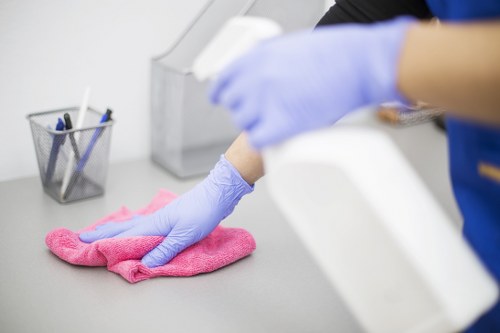
Commercial cleaning refers to professional cleaning services performed in business and public settings rather than in homes. It typically includes routine tasks as well as specialized services adapted to the type of facility, the amount of foot traffic, and the level of sanitation required. Unlike residential cleaning, commercial cleaning often involves larger spaces, stricter safety standards, and more frequent service schedules.
Many business owners underestimate how much work is involved in maintaining a commercial property. Offices need dust-free desks, sanitized break rooms, and polished floors. Retail stores need tidy fitting rooms, clean glass, and spotless entrances. Industrial sites may need debris removal, machinery-area cleaning, and safety-focused floor maintenance. Each setting has different demands, which is why commercial cleaning is highly customizable.
Professional cleaners use specialized products, tools, and methods to maintain quality across large and varied spaces. They may handle carpet extraction, pressure washing, hard-floor polishing, window cleaning, restroom deep cleaning, and waste management. This broader scope is one reason commercial cleaning services are so valuable to modern organizations.
Why businesses rely on professional cleaners
There are several reasons organizations invest in commercial cleaning. A professional cleaning team brings consistency, expertise, and efficiency that in-house staff may not be able to match. In addition, trained cleaners know how to use commercial-grade equipment and follow protocols that reduce risk and improve sanitation outcomes.
- Improved workplace hygiene and sanitation
- Reduced spread of germs and allergens
- Enhanced appearance for visitors and customers
- Longer life for carpets, furniture, and flooring
- Better compliance with facility cleanliness expectations
Key Benefits of Commercial Cleaning

One of the biggest advantages of commercial cleaning is the direct impact it has on health and safety. Workplaces are shared environments, and shared environments need regular cleaning to control dust, bacteria, and clutter. When a building is cleaned properly, employees are less likely to encounter dirty surfaces or unpleasant odors, and visitors are more likely to view the business positively.
Commercial cleaning also supports productivity. Employees are generally more focused and comfortable in a neat, organized environment. Clean desks, fresh carpets, and sanitized common areas contribute to a better work atmosphere. In customer-facing businesses, cleanliness can influence whether people return, recommend the company, or feel confident in the brand.
Another important benefit is asset preservation. Floors, upholstery, glass, and fixtures last longer when cleaned correctly and on schedule. Dirt buildup can cause damage over time, leading to avoidable repair or replacement costs. A well-planned commercial cleaning program helps protect these investments while keeping the property looking its best.
How commercial cleaning affects first impressions
First impressions happen quickly, often before someone even speaks to a staff member. A clean entryway, polished lobby, and fresh-smelling interior signal professionalism. In contrast, dusty surfaces or overflowing bins can create doubt about how the business operates. For this reason, commercial cleaning is also a branding tool.
Businesses that invest in cleanliness send a clear message: they care about detail, safety, and customer experience. That message can be especially powerful in industries where trust matters, including healthcare, food service, real estate, hospitality, education, and finance.
Common areas where impressions matter most
- Reception desks and lobbies
- Waiting rooms and visitor lounges
- Restrooms and break rooms
- Conference rooms and meeting areas
- Storefronts, entrances, and display sections
Types of Commercial Cleaning Services

Commercial cleaning is not a one-size-fits-all service. Different industries and facilities require different approaches. A school may need frequent disinfection and spill cleanup, while a warehouse may need sweeping, dust control, and floor safety maintenance. Knowing the main types of commercial cleaning can help business owners choose the right service package.
Routine office cleaning is one of the most common categories. This usually includes trash removal, vacuuming, restroom maintenance, surface wiping, and kitchenette cleaning. For businesses with more demanding conditions, such as manufacturing or healthcare, deeper cleaning services are often necessary to meet strict standards.
There are also specialty services that address specific surfaces or contamination issues. Carpet cleaning, upholstery cleaning, strip and wax floor care, post-construction cleanup, and window washing are all important parts of the wider commercial cleaning landscape. In some industries, disinfection and sanitization have become routine expectations rather than optional extras.
Popular commercial cleaning categories
- Office cleaning - desks, floors, bathrooms, and shared spaces
- Industrial cleaning - warehouses, production areas, and equipment zones
- Medical cleaning - sanitation-focused cleaning for clinics and treatment spaces
- Retail cleaning - customer areas, glass, shelves, and entrances
- Hospitality cleaning - lobbies, guest areas, dining spaces, and restrooms
- Post-construction cleaning - dust, debris, adhesive residue, and detailed finishing
Specialized services that add value
Some properties also benefit from periodic deep cleaning, high-pressure washing, restroom sanitation programs, and green cleaning solutions. These options can be combined with regular maintenance to create a balanced and effective service plan. A flexible commercial cleaning arrangement allows businesses to respond to seasonal demand, special events, or increased foot traffic.
How to Choose the Right Commercial Cleaning Provider
Selecting the right provider is one of the most important decisions a business can make. The best commercial cleaning company will understand your industry, your schedule, and your priorities. It should also be able to provide consistent results without disrupting operations. Choosing based on price alone can be risky if quality, reliability, or safety standards are overlooked.
Before hiring a cleaning company, businesses should evaluate experience, training, insurance, equipment quality, and service flexibility. A strong provider will be able to explain how they handle different surfaces, what products they use, and how they manage quality control. They should also be responsive to client needs and capable of adapting their approach when requirements change.
It is also wise to consider whether the company offers customized commercial cleaning plans. A personalized service schedule often delivers better results than a generic package. For example, high-traffic areas may need daily attention, while storage spaces may only need weekly or monthly service. The right provider will help you balance cleanliness, budget, and operational needs.
Questions to ask before signing a service agreement
- What industries do you serve?
- Do you provide customized commercial cleaning schedules?
- What products and equipment do you use?
- How do you train your staff?
- Do you carry insurance and relevant certifications?
- How do you handle emergencies or extra service requests?
Tip: ask for a site assessment before finalizing any contract. A walkthrough helps the provider identify problem areas, estimate labor needs, and recommend the most effective cleaning plan.
Industries That Benefit Most from Commercial Cleaning
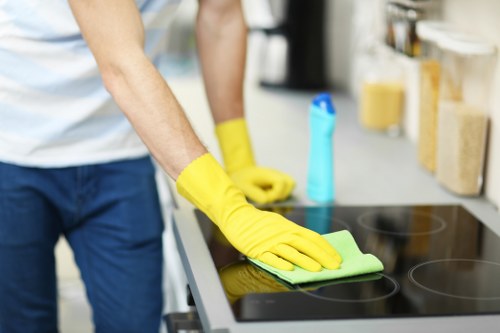
Almost every business can benefit from commercial cleaning, but some sectors depend on it more heavily than others. In industries where sanitation, customer confidence, or compliance are especially important, professional cleaning is essential rather than optional. Different industries require different protocols, and experienced cleaners know how to adapt their approach accordingly.
Healthcare facilities need rigorous disinfection and careful attention to contamination control. Offices need clean shared spaces and consistent maintenance to support productivity. Retail businesses depend on a polished customer experience. Schools require safe, hygienic environments that support learning. Restaurants and hospitality venues need extremely high standards to protect guests and maintain brand reputation.
Even industrial and logistics sites benefit from commercial cleaning because clean floors, organized work zones, and dust control contribute to safer operations. In each setting, the cleaning plan should reflect the type of activity occurring in the space, the number of occupants, and the specific risks involved.
Examples of high-priority sectors
- Healthcare: clinics, dental offices, laboratories, and medical centers
- Corporate offices: administrative buildings, coworking spaces, and headquarters
- Retail: shopping centers, boutiques, and showrooms
- Education: schools, universities, and training centers
- Hospitality: hotels, event venues, and restaurants
- Industrial: warehouses, factories, and distribution facilities
Why sector-specific cleaning matters
Different environments face different risks. A school has many touchpoints and shared surfaces. A restaurant must focus heavily on sanitation and food-safe practices. A warehouse needs dust suppression and floor safety. Because of this, the most effective commercial cleaning plans are industry-specific, targeted, and consistent.
For business owners searching for dependable commercial cleaning in fast-paced environments, the best results come from providers who understand the details of each sector. This expertise helps create a cleaner, safer, and more efficient workplace.
The Role of Technology and Green Cleaning
Modern commercial cleaning is increasingly shaped by technology and sustainability. Cleaning equipment has improved significantly, with better vacuums, microfiber systems, floor machines, and automated tools making it easier to clean more efficiently. At the same time, many businesses are seeking greener solutions that reduce environmental impact without sacrificing performance.
Green commercial cleaning focuses on environmentally responsible products and methods. This may include biodegradable cleaners, reduced chemical use, reusable microfiber materials, and water-saving techniques. These practices can be especially appealing for organizations that want to support healthier indoor air quality and align with broader sustainability goals.
Technology also plays a major role in scheduling, communication, and quality control. Digital checklists, service logs, and inspection reports make it easier to track cleaning performance and maintain standards across multiple locations. For larger organizations, these systems provide transparency and consistency, two qualities that matter a great deal in commercial cleaning.
Benefits of modern cleaning methods
- Improved efficiency and faster turnaround times
- More consistent quality control
- Reduced environmental impact
- Better tracking and accountability
- Enhanced safety for staff and building occupants
As expectations continue to rise, commercial cleaning providers that embrace better tools and smarter methods are often the ones delivering the strongest value. This is true whether the focus is sanitation, presentation, or long-term property care.
Why sustainability matters to clients
Many businesses now view sustainability as part of their professional identity. Choosing a provider that uses responsible cleaning practices can support internal goals and improve workplace comfort. Cleaner air, safer products, and reduced waste all contribute to a better overall experience.
Building an Effective Commercial Cleaning Schedule
An effective commercial cleaning schedule is built around the specific needs of the facility. Some tasks should happen daily, while others may be weekly, monthly, or seasonal. The right schedule depends on foot traffic, surface type, operating hours, and the nature of the business. A well-planned schedule keeps the property consistently clean without creating unnecessary interruptions.
Daily tasks might include trash removal, restroom sanitation, floor sweeping, desk wiping, and kitchen cleanup. Weekly tasks may involve deeper floor care, glass cleaning, and detailed dusting. Monthly or quarterly work could include carpet extraction, upholstery cleaning, and high dusting. By dividing tasks into clear intervals, commercial cleaning becomes more efficient and more effective.
It is also important to review the schedule regularly. Businesses change over time, and so do cleaning needs. A growing office, expanded retail floor, or busier event calendar may require adjustments. Flexible commercial cleaning plans make it easier to adapt without losing quality.
Sample cleaning schedule components
- Daily: restrooms, trash, touchpoints, entrances, and common areas
- Weekly: floor care, surfaces, kitchen areas, and spot cleaning
- Monthly: detailed dusting, glass, vents, and deep sanitation tasks
- Quarterly: carpets, upholstery, strip and wax, and full-site reviews
Keep in mind: the best commercial cleaning schedule is one that matches real usage, not just a checklist. A busy lobby may need more attention than a storage room, and a restroom may need multiple touchpoints throughout the day.
Commercial Cleaning and Workplace Reputation
Reputation is one of the most valuable assets a business has, and cleanliness contributes to it in a direct way. When customers, employees, or partners walk into a building, they instantly notice whether it feels cared for. A clean environment suggests organization, responsibility, and professionalism. That perception matters in nearly every industry.
Commercial cleaning also plays a role in employee satisfaction. Staff members are more likely to appreciate and take pride in a workplace that is clean and well maintained. A tidy environment can improve morale, reduce distractions, and encourage better habits across the team. Over time, this helps create a more positive workplace culture.
For customer-facing businesses, commercial cleaning can influence loyalty. People naturally prefer to return to places where they feel comfortable and confident. In this sense, cleaning is not just maintenance; it is part of the customer experience. That is why consistent commercial cleaning in public-facing spaces is so important.
Ways cleanliness supports business growth
- Builds trust with clients and visitors
- Supports employee wellbeing and productivity
- Helps facilities stay attractive and functional
- Reduces the chance of complaints tied to hygiene
- Strengthens brand perception over time
In practical terms: a cleaner environment helps businesses look ready, reliable, and prepared for daily demands.
Final Thoughts on Commercial Cleaning
Commercial cleaning is far more than a background task. It is an essential part of managing a healthy, professional, and productive business environment. From office cleaning and restroom sanitation to deep cleaning and specialty maintenance, the right service plan supports both daily operations and long-term success. Businesses that make cleanliness a priority often see benefits in safety, appearance, efficiency, and customer confidence.
Whether you are overseeing a small workplace or a large facility, it pays to treat commercial cleaning as a strategic investment. Choosing a provider with the right experience, tools, and flexibility can help you maintain high standards without adding stress to your team. When cleaning is handled properly, the entire business environment improves.
Now is the right time to review your current cleaning needs and identify what could be improved. If your workplace needs better sanitation, a more reliable schedule, or specialized support, contact us today to explore the best approach for your facility. Book your service now and take the next step toward a cleaner, safer, and more professional space.
In the end, strong commercial cleaning is about more than appearance. It is about creating a workplace where people can do their best work, customers feel welcome, and facilities are maintained with care. For businesses that want to stay competitive, dependable commercial cleaning is a smart and lasting investment.