Upholstery Cleaning in Your Home: A Practical, SEO-Friendly Approach to Fresher Furniture
Upholstery cleaning is one of the most effective ways to refresh a room, extend the life of your furniture, and improve the overall look and feel of your home. Whether you are dealing with everyday dust, pet hair, food spills, or stubborn stains, professional upholstery cleaning and proper at-home care can make a dramatic difference. Many homeowners underestimate how much dirt settles into sofas, chairs, sectionals, ottomans, and other fabric-covered pieces over time. Regular upholstery cleaning helps maintain a healthier indoor environment while keeping furniture looking attractive and well cared for.
When people search for upholstery cleaning, they are often looking for a solution that is safe, thorough, and tailored to the material of their furniture. Different fabrics require different cleaning methods, and using the wrong product or technique can lead to discoloration, shrinkage, or permanent damage. That is why understanding the basics of upholstery cleaning matters. It helps you protect your investment, improve comfort, and maintain a cleaner living space. In this article, we will explore the benefits, methods, stain-treatment tips, and maintenance habits that support long-lasting results.
From microfiber couches to linen armchairs and leather recliners, upholstery cleaning is not a one-size-fits-all task. It involves assessing fabric type, identifying stains, choosing the right tools, and applying the right amount of moisture and cleaning solution. With the right approach, upholstery cleaning can restore freshness and remove the buildup that makes furniture look dull. Clean upholstery does more than improve appearance; it can also reduce allergens, odors, and bacteria that accumulate in soft furnishings over time.
Why Upholstery Cleaning Matters for Every Home
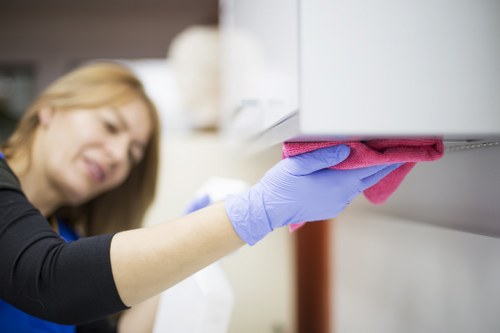
Upholstery cleaning plays a significant role in keeping homes cleaner and more comfortable. Unlike hard surfaces, upholstered fabrics absorb dust, oils, crumbs, pet dander, and airborne particles. Over weeks and months, these materials settle deep into fibers, which can lead to dull colors, unpleasant smells, and a less inviting living space. Regular upholstery cleaning removes the debris that vacuums alone often miss.
Another important reason to prioritize upholstery cleaning is indoor air quality. Soft furnishings can trap allergens such as pollen, dust mites, and pet hair. For families with children, pets, or allergy concerns, upholstery cleaning can be an essential part of keeping the home healthier. Cleaner furniture often means cleaner air and a more pleasant room overall.
There is also a financial benefit. Sofas, recliners, and dining chairs can be expensive to replace, so maintaining them properly makes sense. Professional upholstery cleaning helps preserve fabric texture, prevent premature wear, and extend the life of the furniture. Regular care is usually far more affordable than replacement, especially when stains or grime are removed early.
How Upholstery Cleaning Works
Effective upholstery cleaning starts with a careful inspection. The cleaner identifies the fabric type, condition, and any visible stains or problem areas. This step matters because upholstery can be made from cotton, synthetic blends, velvet, wool, microfiber, leather, or other delicate materials. Each requires a slightly different cleaning strategy to achieve good results without damage.
After inspection, dust and loose debris are removed using vacuuming or brushing. This pre-cleaning step is important because it helps prevent dirt from turning into muddy residue during the wet cleaning process. Depending on the fabric and soil level, upholstery cleaning may involve dry cleaning compounds, low-moisture extraction, steam-based methods, or specialized spot treatment. The goal is to lift embedded dirt while protecting the fabric structure.
Once cleaning is complete, proper drying is essential. Moisture left in upholstery can create odors, encourage mildew, and affect fabric texture. Professional upholstery cleaning typically uses controlled moisture and airflow to reduce drying time. Drying correctly is just as important as the cleaning itself, because it helps ensure a fresh, clean result that lasts.
Common Upholstery Cleaning Methods
- Hot water extraction: Uses heated water and cleaning solution to remove dirt from deeper within the fibers.
- Dry cleaning: Uses minimal moisture and is often suitable for delicate fabrics.
- Foam cleaning: Applies a foam-based solution that is agitated and then lifted away.
- Steam-assisted cleaning: Helps loosen grime and break down spots when appropriate for the material.
- Leather cleaning and conditioning: Cleans and nourishes leather surfaces to maintain softness and appearance.
Benefits of Professional Upholstery Cleaning
Professional upholstery cleaning offers benefits that go beyond what typical household products can do. One major advantage is access to specialized tools and products designed for specific upholstery materials. A trained technician understands how to treat fabrics safely, which helps reduce the risk of over-wetting, fading, or spreading a stain further into the fabric.
Another benefit is deeper stain removal. Everyday spills from coffee, wine, juice, makeup, food, or grease can become stubborn if they are not handled correctly. Professional upholstery cleaning often provides better stain extraction because it combines pre-treatment, agitation, and controlled cleaning techniques. This makes a noticeable difference in the look of heavily used furniture.
Odor elimination is another valuable outcome. Furniture can absorb smells from pets, smoke, cooking, and moisture. Professional upholstery cleaning helps neutralize these odors instead of simply masking them. For homes that need a cleaner, fresher atmosphere, upholstery cleaning can be a game-changer. It is especially useful in living rooms, family rooms, and spaces where furniture is used daily.
Upholstery Cleaning for Different Fabric Types
Not all upholstery materials react the same way to cleaning, which is why fabric identification is critical. Some fabrics are durable and tolerate moisture well, while others are more delicate and need careful handling. The wrong method can damage the weave, leave a watermark, or create uneven results. Proper upholstery cleaning always starts with knowing what the fabric can handle.
Microfiber, for example, is popular because it is soft and relatively easy to maintain, but it still benefits from professional upholstery cleaning when stains or dirt build up. Cotton and linen are natural fibers that may require more caution due to their tendency to absorb moisture. Synthetic fabrics often respond well to routine cleaning, but they still need the right chemicals and techniques.
Leather is in a category of its own. It does not require the same approach as fabric upholstery, and it should be cleaned with products made specifically for leather surfaces. Conditioning is also important because it helps prevent cracking and dryness. Tailoring the cleaning method to the material is the key to successful upholstery cleaning.
Fabric-Specific Considerations
- Microfiber: Test cleaning solutions first and avoid oversaturation.
- Cotton: Clean gently to reduce shrinkage or water marks.
- Linen: Use cautious moisture levels and avoid harsh scrubbing.
- Velvet: Handle with extra care to preserve texture and nap.
- Leather: Clean and condition with suitable leather-safe products.
Stain Removal and Spot Treatment Tips
Stains are one of the biggest reasons people seek upholstery cleaning. Acting quickly is always the best strategy. The longer a spill sits on the fabric, the more likely it is to settle into the fibers and become difficult to remove. For fresh spills, blotting is usually better than rubbing. Rubbing can spread the stain and push it deeper into the material.
Different stains require different treatments. Grease stains may need a solvent-based approach, while protein-based stains such as milk or food spills often respond better to enzyme cleaners. Ink, wine, and coffee can be more challenging and may need professional upholstery cleaning for the best chance of success. It is always wise to test any cleaning product in a hidden area first.
Homeowners should avoid soaking upholstery in an attempt to remove a stain. Excess moisture can cause rings, odors, and damage to the padding underneath the fabric. Spot treatment should be controlled, careful, and material-appropriate. If a stain remains after your first effort, calling a professional for upholstery cleaning may be the safest and most effective option.
Quick Spot-Treatment Best Practices
- Blot spills immediately with a clean, dry cloth.
- Work from the outside of the stain toward the center.
- Use minimal moisture to avoid soaking the fabric.
- Test any cleaner on a hidden area before applying it broadly.
- Do not scrub aggressively, especially on delicate fibers.
Signs Your Furniture Needs Upholstery Cleaning
Many homeowners wait until furniture looks visibly dirty before scheduling upholstery cleaning, but some warning signs appear earlier. A subtle odor, a change in color, or increased sneezing when sitting on the couch may all indicate that your upholstery needs attention. Dirt and allergens can build up without obvious visible evidence, especially on darker fabrics or patterned materials.
Another sign is a sticky or rough texture. Over time, oils from skin, food residue, and airborne particles can settle into the surface, leaving upholstery feeling less comfortable. If cushions look flattened, fabric appears dingy, or pet hair seems difficult to remove, upholstery cleaning may restore the freshness that routine vacuuming cannot achieve.
When furniture starts to look tired, feel less inviting, or hold onto odors, it is likely time for a deeper clean. Scheduling upholstery cleaning before damage becomes severe can save time, money, and frustration. It also helps keep your home looking polished and well maintained.
Watch for These Signs
- Persistent odors from pets, smoke, or spills
- Visible stains or darkened armrests
- Allergy symptoms around upholstered furniture
- Dust buildup that returns quickly after vacuuming
- Fabric that feels grimy, sticky, or worn
How Often Should You Schedule Upholstery Cleaning?
The right schedule for upholstery cleaning depends on lifestyle, usage, and household conditions. A lightly used formal living room may only need attention once a year, while a busy family room or pet-friendly home may benefit from more frequent cleaning. In high-traffic homes, upholstery collects debris faster, so seasonal or biannual cleaning can be a smart choice.
Homes with pets, children, or allergy concerns often need upholstery cleaning more often. Pets shed fur, bring in dirt from outside, and may create odors or accidents. Children can contribute spills, crumbs, and everyday wear. If you host guests often or use your furniture daily, regular upholstery cleaning helps maintain a fresh and inviting environment.
A practical way to decide is to consider both appearance and usage. If your furniture is starting to look dull or smells stale, do not wait for a major stain or visible damage. Routine upholstery cleaning is a preventive habit that supports cleanliness, comfort, and long-term durability.
Recommended Cleaning Frequency
- Low-use furniture: Once per year.
- Moderate-use furniture: Every 6 to 12 months.
- High-use family furniture: Every 3 to 6 months.
- Homes with pets or allergies: More frequent cleaning may be beneficial.
DIY Upholstery Cleaning vs. Professional Service
Some basic upholstery cleaning tasks can be handled at home, such as vacuuming, light spot treatment, and fabric brushing. These habits help reduce surface dirt and keep furniture in better shape between professional cleanings. However, DIY care has limits. Many store-bought cleaners are not suitable for all fabric types, and using them incorrectly can worsen a stain or damage the upholstery.
Professional upholstery cleaning offers a more advanced level of care. Technicians are trained to identify fabrics, choose the right chemistry, and use equipment that delivers deeper cleaning with less risk. This can be especially important for expensive furniture, antique pieces, or items with delicate construction. When in doubt, professional cleaning is usually the safer investment.
There is also a difference in results. While DIY methods can improve appearance, they often do not fully remove embedded soil, allergens, or older stains. Professional upholstery cleaning can reach deeper into the fibers and recover freshness that home methods may miss. For many homeowners, a combination of simple maintenance and periodic expert cleaning delivers the best outcome.
When to Choose Professional Upholstery Cleaning
- When the fabric is delicate or expensive
- When stains have set in or spread
- When odors persist after home cleaning
- When allergy reduction is a priority
- When you want a deeper, longer-lasting clean
Maintenance Tips to Extend Results
Once upholstery cleaning is complete, a few maintenance habits can help preserve the results. Regular vacuuming with an upholstery attachment removes dust, crumbs, and pet hair before they become embedded in the fabric. Rotating cushions can also reduce uneven wear and help furniture look more balanced over time. These simple habits make a big difference between professional cleanings.
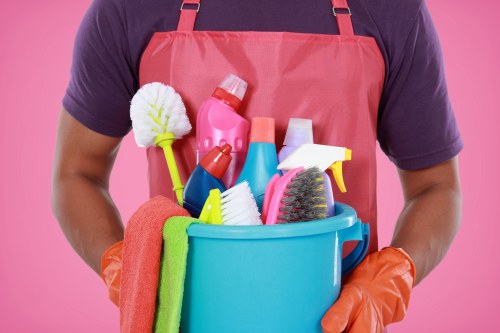
Immediate spill response is another crucial part of upholstery care. The faster you address accidents, the easier they are to remove. Keeping a small cleaning kit nearby with white cloths, a gentle fabric-safe cleaner, and a soft brush can help you respond quickly. Preventive maintenance is one of the smartest ways to support upholstery cleaning results.
Using fabric protectors, when appropriate, may also help reduce staining and make future cleanups easier. However, protectors should be matched carefully to the fabric type and manufacturer recommendations. For some materials, professional upholstery cleaning providers may suggest a protective treatment after the cleaning process. This can be especially useful in active households.
Simple Upkeep Habits
- Vacuum upholstered furniture weekly or as needed.
- Blot spills immediately instead of rubbing.
- Keep pets groomed to reduce hair and dander buildup.
- Use throws or covers in high-use areas when appropriate.
- Schedule routine upholstery cleaning before heavy buildup occurs.
Choosing the Right Upholstery Cleaning Approach
Selecting the correct upholstery cleaning approach depends on fabric type, stain severity, and your household needs. A durable synthetic sofa used daily by a family may benefit from periodic deep cleaning, while a decorative chair may only need light maintenance. The best results come from matching the method to the material and the level of soiling.
It is also important to think about drying time and convenience. Some methods are faster, while others offer more thorough soil removal. If the furniture is used daily, low-moisture upholstery cleaning may be preferable because it reduces downtime. If the goal is maximum freshness, a deeper cleaning method may be worth the extra drying period.
When choosing upholstery cleaning, balance appearance, safety, and long-term care. That balance helps protect your furniture while keeping your home comfortable and attractive. If you want a refreshed look, reduced odors, and a healthier indoor atmosphere, the right approach makes all the difference.
Key Decision Factors
- Fabric type and manufacturer recommendations
- Age and condition of the furniture
- Type of stain or odor present
- Drying time and household schedule
- Whether the piece needs special care, such as leather conditioning
Final Thoughts on Upholstery Cleaning
Upholstery cleaning is more than a cosmetic service. It supports cleaner air, healthier living spaces, better fabric condition, and a more pleasant home environment. By understanding how upholstery cleaning works and when to schedule it, you can take better care of the furniture you use every day. Whether you are dealing with stubborn stains, lingering odors, or general buildup, the right cleaning strategy can restore comfort and appearance.
Regular upholstery cleaning is especially valuable in busy homes where furniture sees constant use. With the right combination of maintenance, stain treatment, and professional support, upholstered pieces can stay looking better for longer. This saves money, reduces waste, and helps you enjoy your furniture rather than replacing it too soon.
If your sofa, chairs, or sectionals are overdue for a refresh, now is the time to act. Book your service now and give your furniture the attention it deserves. Contact us today to make upholstery cleaning a simple part of your home care routine and enjoy cleaner, fresher results throughout the year.