House Cleaning in Your Area: Practical Ways to Keep Every Room Fresh, Healthy, and Organized
Why House Cleaning Matters More Than You Think
House cleaning is more than a visual task. A clean home supports healthier living, reduces stress, and makes daily routines feel easier. When dust, grime, and clutter build up, even the most comfortable space can start to feel chaotic. On the other hand, a well-maintained home creates a sense of calm that many people notice the moment they walk through the door.
For many households, house cleaning is one of those responsibilities that never truly ends. Kitchens need attention after meals, bathrooms require regular sanitizing, and living areas collect dust faster than most people expect. That is why a smart, repeatable approach matters. Instead of waiting until a home feels overwhelming, it helps to break cleaning into manageable tasks that fit real schedules and real homes.
Professional house cleaning in your area can also save time and reduce strain, especially for busy families, working professionals, and anyone balancing multiple responsibilities. Whether someone chooses routine upkeep or a deep cleaning service, the goal is the same: a cleaner, more comfortable home that supports everyday life.
What House Cleaning Really Includes
More Than Just Sweeping and Dusting
Many people think of house cleaning as simply vacuuming floors and wiping counters. In reality, effective house cleaning touches nearly every part of a living space. It can include surface dusting, floor care, bathroom sanitation, kitchen degreasing, bed-making, trash removal, and detailed attention to overlooked areas like baseboards and light switches.
Depending on the property and lifestyle, house cleaning may also involve laundry-related tasks, appliance cleaning, window wiping, and spot treatments for stains or spills. A cleaner home often begins with a plan that targets both visible and hidden dirt. This is especially important because airborne dust, pet hair, and everyday residue can settle in corners, behind furniture, and around vents.
Reliable house cleaning services often tailor their work to the home’s condition, size, and priorities. A single-family home may require more room-by-room attention, while an apartment may benefit from a focused cleaning schedule that keeps smaller spaces clutter-free and sanitary.
Benefits of Regular House Cleaning
A Cleaner Home Supports a Better Routine
There are many reasons why consistent house cleaning is worth the effort. One of the biggest benefits is improved comfort. A tidy home simply feels better to live in. People often sleep better, relax more easily, and move through their routines with less friction when their surroundings are clean and organized.
Another major advantage is hygiene. Regular house cleaning helps reduce dust buildup, allergens, bacteria, and mold-prone moisture in areas like bathrooms and kitchens. For households with children, seniors, pets, or anyone with allergies, this can make a meaningful difference in everyday well-being.
There is also the practical benefit of protecting surfaces and fixtures. Dirt and grease can wear down materials over time. Floors, countertops, faucets, and appliances last longer when they are cleaned correctly and consistently. In that sense, house cleaning is both a comfort measure and a maintenance strategy.
Types of House Cleaning Services
Choosing the Right Level of Support
Not every home needs the same kind of service. Some households need ongoing upkeep, while others only require help after a renovation, move, or busy season. Understanding the different types of house cleaning makes it easier to choose the right option.
- Routine cleaning: Ideal for weekly or biweekly maintenance, covering dusting, vacuuming, mopping, and bathroom refreshes.
- Deep cleaning: A more detailed service that targets built-up dirt in places often missed during standard cleaning.
- Move-in cleaning: Focused on making a new home fresh, sanitized, and ready for occupancy.
- Move-out cleaning: Useful for preparing a property for inspection, sale, or a new tenant.
- Post-construction cleaning: Removes dust, debris, and residue left after building or remodeling work.
Some providers also offer specialized house cleaning services for homes with pets, eco-conscious families, or high-touch sanitation needs. This flexibility allows homeowners to choose what fits their lifestyle instead of settling for a one-size-fits-all routine.
If your home has been neglected for a while, a deep cleaning may be the best place to start. After that, routine house cleaning can keep everything manageable and prevent the cycle of buildup from returning.
How to Create an Effective House Cleaning Routine
Small Daily Habits Make a Big Difference
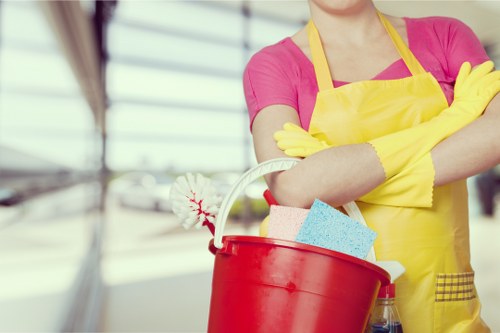
A successful house cleaning routine does not need to be complicated. In fact, the best routines are often simple enough to repeat. The key is consistency. A few minutes each day can prevent bigger messes and reduce the amount of time needed for major cleaning later.
One helpful strategy is to divide tasks by frequency. Daily chores might include wiping kitchen surfaces, loading the dishwasher, tidying clutter, and giving high-use bathrooms a quick reset. Weekly tasks may involve vacuuming, mopping, dusting, changing linens, and cleaning sinks or mirrors. Monthly tasks can focus on deeper jobs such as baseboards, vents, ceiling fans, and inside appliances.
For busy homes, a written schedule can make house cleaning feel more realistic. When tasks are assigned to specific days, it becomes easier to stay on track. Many households also use checklists to keep cleaning organized and ensure nothing gets overlooked. A structured system can turn a stressful chore into a predictable habit.
Room-by-Room House Cleaning Tips
Kitchen Cleaning
The kitchen is one of the most active spaces in any home, which means it often needs the most frequent house cleaning. Food particles, grease, and moisture can quickly create unpleasant odors or attract pests. Start by clearing counters, wiping appliance handles, and sanitizing food prep surfaces. Clean the sink thoroughly, pay attention to the stove area, and do not forget cabinet fronts that collect fingerprints and cooking residue.
For deeper kitchen house cleaning, focus on the refrigerator shelves, microwave interior, backsplash, and trash area. A clean kitchen is not only more pleasant to use, but it also supports food safety and better organization.
Bathroom Cleaning
Bathrooms require regular sanitation because they deal with moisture, soap buildup, and high-touch surfaces. Effective house cleaning in bathrooms includes cleaning toilets, sinks, showers, tubs, mirrors, and floor edges. Keep an eye out for mildew around tile grout and shower corners, as these areas can deteriorate quickly if ignored.
Using the right products matters here. Disinfecting cleaners, limescale removers, and gentle scrubbing tools can help maintain a fresh bathroom without damaging finishes. Many homeowners find that bathroom house cleaning is easiest when done consistently rather than allowed to pile up.
Living Room Cleaning
Living rooms often gather dust, crumbs, pet hair, and everyday clutter. A focused house cleaning approach should include dusting shelves, wiping surfaces, vacuuming upholstery, and cleaning floors under furniture when possible. This room benefits greatly from organization as well, since scattered items can make even a tidy room look messy.
If your living room includes electronics, use care with screens and cords. Dust can collect around entertainment centers, remote controls, and vents. Keeping these areas clean not only improves appearance but can also help maintain equipment over time.
Bedroom Cleaning
Bedrooms should feel restful, and regular house cleaning helps create that atmosphere. Start with changing linens, dusting bedside tables, vacuuming or sweeping floors, and clearing surfaces of unnecessary clutter. Closets can also benefit from occasional organization, especially if seasonal clothing tends to accumulate.
Because bedrooms are personal spaces, they often reflect daily habits. A clean bedroom can improve sleep quality and make mornings feel less rushed. Simple routines, such as making the bed and putting away items each day, support the broader house cleaning effort.
Entryways and Hallways
These areas are often overlooked, yet they shape the first impression of a home. Hallways and entry spaces collect dirt from shoes, dust from movement, and random clutter such as bags or mail. Regular sweeping, vacuuming, and surface wiping help these areas stay neat and welcoming.
Adding storage solutions like shoe racks, baskets, or wall hooks can also improve cleanliness. When the entryway is organized, the rest of the house tends to stay cleaner too.
Deep House Cleaning: When a Thorough Reset Is Needed
Signs Your Home Needs More Than a Routine Clean
Even with steady upkeep, every home eventually needs a deeper reset. Deep house cleaning is especially useful after long periods of neglect, seasonal changes, illness, or major events. Signs that it may be time include visible dust in corners, sticky kitchen surfaces, cloudy bathroom fixtures, dull floors, or odors that remain even after regular tidying.
Deep cleaning usually goes beyond the basics. It can include cleaning inside cabinets, wiping down trim, dusting ceiling fans, washing doors, and addressing areas behind large furniture. It is the kind of house cleaning that helps restore a home to a fresher, more balanced state.
Many homeowners schedule deep cleaning several times a year, often in spring, before holidays, or after busy household periods. When paired with ongoing maintenance, it becomes much easier to keep a home in excellent condition without constant major effort.
Why Deep Cleaning Pays Off
Although it takes more time, deep house cleaning can deliver long-lasting value. It creates a cleaner base for future maintenance, helps identify problem areas early, and improves the overall freshness of the home. If you are preparing for guests, moving, or simply want a reset, deep cleaning is often the most effective option.
Eco-Friendly House Cleaning Practices
Cleaner Spaces Without Harsh Overload
Many homeowners now prefer eco-friendly house cleaning methods because they want effective results without unnecessary chemical exposure. This approach often uses plant-based or low-toxicity products, microfiber cloths, reusable mop heads, and smarter water use. It is a practical way to maintain a clean home while being mindful of indoor air quality and environmental impact.
Natural cleaning ingredients like vinegar, baking soda, and mild soap can work well for certain tasks, though it is important to use them appropriately and not on every surface. Eco-friendly house cleaning also includes buying only what you need, storing products safely, and avoiding wasteful overuse of sprays or disposable materials.
Green cleaning does not mean compromising cleanliness. In many cases, it encourages better habits because it focuses on consistency, proper tools, and targeted cleaning methods rather than relying on strong odors to signal freshness.
Simple Sustainable Swaps
- Use microfiber cloths instead of single-use wipes when possible.
- Choose refillable bottles for cleaning solutions.
- Open windows during house cleaning to improve ventilation.
- Select products labeled for low VOC or plant-based performance.
- Wash reusable tools regularly so they remain effective.
House Cleaning Challenges and How to Handle Them
Busy Schedules, Pets, and Clutter
Real life can make house cleaning difficult. Busy schedules, children, pets, and shared living arrangements all create extra mess. That does not mean cleanliness has to suffer. It simply means the approach should be practical and realistic. A home with heavy foot traffic may need more frequent vacuuming, while a pet-friendly home may need additional lint rolling, hair removal, and odor control.
Clutter is another common challenge. A room can be technically clean yet still feel messy if items are scattered everywhere. That is why organizing and cleaning often work best together. Before wiping surfaces or vacuuming floors, it helps to pick up items and return them to designated places.
In households with children, involving the whole family can make a big difference. Simple responsibilities like putting away toys, clearing dishes, or making beds can support a cleaner environment. House cleaning becomes much more manageable when everyone contributes in small ways.
Staying Motivated
Many people struggle with motivation when chores begin to feel endless. One way to stay on track is to set time limits. A 15- or 20-minute house cleaning sprint can be surprisingly effective. Music, timers, and task batching can also make cleaning feel less tedious. Instead of thinking about the whole house, focus on one room or one task at a time.
Motivation often improves when results are visible. Clean counters, fresh floors, and organized shelves create immediate satisfaction. That visible payoff can make regular house cleaning feel more rewarding and less burdensome.
When Professional House Cleaning Makes Sense
Saving Time While Maintaining Standards
There are times when professional house cleaning is simply the smartest choice. If schedules are full, if physical tasks are difficult, or if a home needs more detailed attention than usual, professional help can relieve pressure. A trained cleaner often works more efficiently and knows how to handle many surfaces, stains, and cleaning priorities.
Professional support is especially useful for recurring maintenance, move-related cleaning, and seasonal deep cleaning. It can also be a good fit for people who want a consistently clean home without giving up evenings or weekends to chores. By outsourcing part of the work, homeowners can focus on other priorities while still enjoying a neat space.
If you are considering a service, look for one that communicates clearly about what is included, how often cleaning should occur, and which areas deserve priority. The right house cleaning arrangement should feel supportive, not stressful.
What to Expect from a Quality Service
A dependable house cleaning provider typically follows a clear process, uses appropriate supplies, and respects the home’s layout and needs. The service may be customized by frequency, room type, and level of detail. This makes it easier to maintain consistent results over time.
How to Keep Results Looking Great Longer
Maintenance Between Cleanings
Once a home is clean, the next step is protecting that result. A few simple habits can make house cleaning last longer between appointments or weekend sessions. Wipe spills quickly, remove shoes indoors if that works for your household, and put items back after using them. Small habits prevent buildup from returning too quickly.
It also helps to reduce unnecessary clutter. Fewer items on countertops, tables, and shelves means less dusting and less visual noise. Storage baskets, labeled bins, and drawer organizers can support this effort without requiring a major remodel.
Another useful tactic is to clean while you live. For example, wipe the shower after use, rinse sinks after brushing teeth, and sweep kitchen floors after cooking. These quick actions reduce the burden of larger house cleaning tasks later and help the home stay presentable with less effort.
Final Thoughts on House Cleaning in Everyday Life
At its best, house cleaning is not just a chore. It is a practical part of creating a healthier, more peaceful home. Whether you handle cleaning yourself or rely on professional support, the results can improve comfort, organization, and peace of mind. A clean house is easier to enjoy, easier to maintain, and better suited to the demands of daily living.
From kitchens and bathrooms to bedrooms and living rooms, every space benefits from regular attention. By building a routine, using the right tools, and knowing when to request help, you can keep your home in better shape all year long. If you are ready to make your space feel fresher and more manageable, book your service now and take the first step toward a cleaner home. Contact us today to get started with a plan that fits your needs.