Regular Cleaning in Every Space: Why It Matters, How It Works, and How to Keep It Effective
Regular cleaning is one of the simplest and most powerful ways to protect your health, improve comfort, and preserve the value of your home or business. Whether you manage a busy household, a retail space, an office, or a rental property, regular cleaning helps create an environment that feels organized, welcoming, and safe. It is not just about making surfaces look neat; it is about reducing buildup, preventing long-term damage, and supporting a healthier way of living.
In today’s fast-paced world, many people delay chores until dirt becomes obvious. However, consistent regular cleaning prevents grime from accumulating in the first place, making each cleaning session faster, easier, and more effective. It also supports better indoor air quality, reduces allergens, and minimizes the chances of pests, odors, and stains becoming serious problems.
From kitchens and bathrooms to offices and shared spaces, the benefits of regular cleaning extend far beyond appearance. Clean environments improve focus, reduce stress, and create a positive impression on guests, clients, and customers. If you want a space that looks better, lasts longer, and feels more comfortable every day, developing a consistent cleaning routine is essential.
What Regular Cleaning Really Means
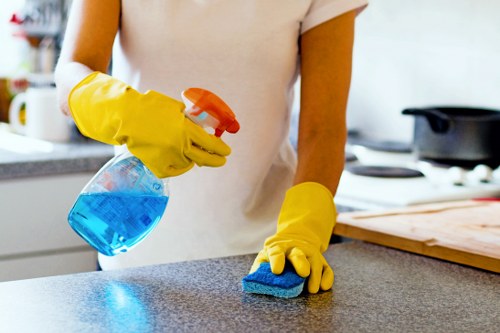
Regular cleaning refers to routine tasks performed on a consistent schedule to keep a space free of dust, dirt, germs, and clutter. Unlike deep cleaning, which targets hidden buildup and hard-to-reach areas, regular cleaning focuses on the everyday maintenance that keeps a property in good condition.
This includes wiping counters, vacuuming floors, sanitizing high-touch surfaces, taking out trash, cleaning bathrooms, and maintaining general order. The purpose is to stop mess from growing out of control and to ensure a space stays functional and pleasant. A well-planned regular cleaning routine saves time in the long run because it reduces the need for intensive repairs or major restorative cleaning later.
People often underestimate how much difference consistent upkeep makes. A home or workplace that receives regular cleaning tends to have fewer odors, fewer stains, less dust buildup, and fewer maintenance issues. In other words, small efforts done often have a large cumulative effect.
Why Regular Cleaning Is Important for Health and Comfort

One of the biggest reasons regular cleaning matters is health. Dust, pollen, pet dander, mold spores, and bacteria can accumulate quickly in indoor spaces. When these contaminants are left alone, they may trigger allergies, worsen respiratory issues, and contribute to an overall sense of discomfort. Routine cleaning helps reduce exposure and keeps the environment more breathable.
Another important benefit is mental well-being. Cluttered and dirty areas can increase stress and make daily tasks feel heavier. A clean space supports focus, encourages productivity, and creates a sense of calm. This is true at home, in an office, and in customer-facing environments where first impressions matter.
Regular cleaning also supports hygiene in ways that people often overlook. High-touch areas such as door handles, switches, faucets, keyboards, and countertops can carry germs. Cleaning these surfaces consistently lowers the chance of spreading illness, especially in shared households and workplaces.
Health-related advantages of regular cleaning
- Reduces dust, allergens, and pet dander
- Helps minimize germs on high-touch surfaces
- Improves indoor air quality
- Creates a more comfortable living and working environment
- Supports better sleep and reduced stress in the home
How Regular Cleaning Protects Property and Surfaces

Beyond health, regular cleaning is also a form of property care. Dirt, grease, moisture, and debris can damage surfaces over time if they are not removed consistently. For example, kitchen residue can stain countertops, bathroom buildup can discolor grout, and dust can shorten the life of electronics and vents.
Floors, carpets, furniture, and appliances all benefit from routine maintenance. When cleaning is delayed, grime becomes harder to remove and may cause wear that is costly to repair. Regular attention helps preserve finishes, keep fixtures in better condition, and extend the lifespan of materials throughout a property.
This is especially important in high-use spaces. In offices, retail locations, and hospitality settings, regular cleaning helps maintain a polished appearance and reduces the likelihood of visible deterioration. In homes, it keeps everyday living spaces fresher and more enjoyable while helping owners avoid unnecessary replacement costs.
Examples of surfaces that benefit from regular cleaning
- Kitchen counters and sinks
- Bathroom tiles and fixtures
- Floors, carpets, and rugs
- Glass, mirrors, and windows
- Appliances, electronics, and vents
Regular Cleaning vs. Deep Cleaning
It is helpful to understand the difference between regular cleaning and deep cleaning so expectations stay realistic. Regular cleaning is the ongoing maintenance that happens weekly, or even daily in busy areas. Deep cleaning is more intensive and targets buildup that routine care may not fully address.
Think of regular cleaning as the foundation. It keeps dirt from piling up and maintains order. Deep cleaning is the reset that tackles hidden or stubborn messes, such as behind appliances, inside vents, under furniture, or in grout lines. The two approaches work best together, but regular cleaning is what makes deep cleaning less frequent and less overwhelming.
Without a consistent routine, deep cleaning becomes more difficult and time-consuming. With regular care, the process is smoother, and the overall environment stays in much better shape all year long.
Building an Effective Regular Cleaning Routine

A successful regular cleaning routine does not need to be complicated. The key is consistency. When tasks are assigned to specific days, they become easier to manage and less likely to be forgotten. A good routine also accounts for the size of the space, how many people use it, and what type of activities happen there.
For homes, daily tasks may include making beds, wiping kitchen surfaces, and tidying shared rooms. Weekly tasks may involve vacuuming, mopping, disinfecting bathrooms, and washing linens. For businesses, a regular schedule may include emptying bins, sanitizing workstations, maintaining entry areas, and cleaning common spaces more than once a day.
It helps to divide tasks into small sections rather than trying to clean everything at once. This method makes regular cleaning feel manageable and reduces burnout. It also creates a sense of progress, which encourages long-term consistency.
Sample routine structure
- Daily: Tidy surfaces, wipe spills, and remove trash
- Weekly: Vacuum, mop, clean bathrooms, and sanitize high-touch areas
- Monthly: Wash windows, dust vents, and organize storage
- Seasonally: Perform deeper maintenance and declutter larger spaces
Key Areas That Need Regular Cleaning

Every property has areas that require more attention than others. Kitchens and bathrooms are at the top of the list because they are exposed to moisture, food residue, bacteria, and frequent use. Living rooms, bedrooms, offices, and hallways also need consistent care to control dust and clutter.
High-traffic zones are especially important in regular cleaning. Entryways collect dirt from shoes, shared surfaces gather fingerprints, and floors see constant wear. If these spaces are not maintained, the entire property can quickly feel untidy even if other areas are clean.
Another often-forgotten category is hidden or semi-hidden areas. Light switches, baseboards, appliance handles, and behind furniture may not seem urgent, but they accumulate dust and grime over time. Paying attention to these details improves the overall finish of a space and supports long-lasting cleanliness.
High-priority cleaning zones
- Kitchen counters, sinks, and appliance fronts
- Bathroom toilets, faucets, and mirrors
- Entryways and hallways
- Desks, tables, and shared work surfaces
- Floors, corners, and edges where dust collects
Benefits of Regular Cleaning for Homes
In a home setting, regular cleaning supports daily comfort and makes family life easier. Clean counters make cooking more pleasant, fresh floors make rooms more inviting, and organized spaces reduce the frustration of searching for lost items. When a house is cleaned routinely, it becomes easier to maintain order between busy schedules.
Families with children or pets often notice the value of regular upkeep even more. Spills, crumbs, mud, fur, and sticky surfaces can build up fast. A steady cleaning habit helps keep the home safe, hygienic, and more enjoyable for everyone living there. It also teaches children the importance of responsibility and shared care for common spaces.
Perhaps one of the most underrated benefits is peace of mind. A home that receives regular cleaning feels less chaotic and more restful. That sense of calm can influence how people sleep, work, relax, and spend time together.
Home benefits at a glance
- Cleaner kitchens and bathrooms
- Less dust and fewer allergens
- More organized living areas
- Improved safety and hygiene
- Better comfort for family and guests
Benefits of Regular Cleaning for Businesses
For businesses, regular cleaning is more than a housekeeping task; it is part of brand presentation and operational quality. Customers notice whether a space feels fresh, orderly, and well cared for. Employees notice too. A clean workplace contributes to morale, productivity, and a more professional atmosphere.
In commercial spaces, regular cleaning helps control odors, reduce clutter, and keep shared equipment in good condition. It can also support safety by reducing slip hazards, removing debris, and keeping aisles clear. Whether it is an office, salon, clinic, retail store, or restaurant, consistency matters because public-facing spaces are judged quickly and often.
Businesses that invest in regular cleaning tend to protect their reputation while also limiting maintenance costs. Clean environments are easier to manage, and they help show customers that details matter. That impression can influence loyalty, trust, and overall satisfaction.
Commercial advantages
- Improves customer confidence
- Supports a professional workplace image
- Helps reduce complaints about odors or mess
- Promotes healthier shared environments
- Extends the life of floors, furniture, and fixtures
Common Mistakes People Make with Regular Cleaning
Even with good intentions, many people make mistakes that reduce the effectiveness of regular cleaning. One common issue is waiting too long between tasks. When cleaning becomes irregular, buildup forms and the job takes much longer than expected. Another problem is using the wrong products or tools for a surface, which can lead to streaks, residue, or even damage.
Some people also focus only on what is visible. While surface appearance matters, a strong cleaning routine should include high-touch points, corners, and hidden areas where dirt collects. Another mistake is rushing through the process. Quick wipe-downs may improve appearance temporarily, but they may not fully remove grime or germs.
To get the most out of regular cleaning, it is important to be consistent, use suitable tools, and follow a routine that matches the needs of the space. A thoughtful system always works better than an occasional intensive effort.
Errors to avoid
- Skipping cleaning sessions for too long
- Using harsh products on delicate surfaces
- Ignoring hidden buildup and corners
- Cleaning without a clear schedule
- Overlooking high-touch surfaces
How to Keep Regular Cleaning More Efficient
Efficiency matters because the easier a routine feels, the more likely people are to stick with it. One smart method is to keep cleaning supplies in convenient locations. When tools are easy to access, it becomes simpler to handle small messes immediately instead of putting them off.
Another effective strategy is to work from top to bottom and from one area to the next in a logical order. This prevents dust and debris from being moved around unnecessarily. It also helps ensure that no section is accidentally missed during regular cleaning.
Using checklists can also be helpful. A written routine removes guesswork and makes it easier for household members or team members to share responsibility. Whether the space is large or small, a clear plan supports consistency and better results.
Ways to make regular cleaning easier
- Store supplies where they are needed most
- Use a simple checklist for recurring tasks
- Address small spills immediately
- Clean one room or zone at a time
- Keep products and tools organized
Regular Cleaning and Seasonal Maintenance
Although regular cleaning is typically associated with daily or weekly care, it also connects to seasonal maintenance. As the weather changes, so do cleaning needs. Spring may bring more dust and pollen, summer may create more foot traffic, fall may introduce leaves and debris, and winter may lead to mud, salt, and damp conditions.
Seasonal changes are a good time to review whether your routine still fits the space. You may need to increase vacuuming, wipe windows more often, or pay extra attention to entryways. These adjustments help keep the regular cleaning routine relevant and effective all year.
Seasonal maintenance does not replace regular cleaning; it enhances it. When both are handled well, a property remains cleaner, healthier, and easier to manage throughout changing conditions.
Practical Tips for Better Regular Cleaning Results
If you want stronger results from regular cleaning, start with small, repeatable habits. Clean as you go whenever possible. This is especially useful in kitchens, bathrooms, and workspaces where mess appears quickly. A few minutes of attention each day can save a great deal of effort later.
Focus on prevention as much as cleanup. Use mats at entrances, encourage people to remove shoes when appropriate, and organize items so clutter does not spread. These habits reduce how quickly dirt accumulates and make maintenance more manageable.
Finally, remember that consistency beats perfection. You do not need a flawless system to benefit from regular cleaning. A routine that is realistic and repeatable will always outperform an ambitious plan that is too complicated to maintain.
Practical cleaning tips
- Wipe spills before they harden
- Use door mats to reduce tracked-in dirt
- Sanitize shared surfaces regularly
- Declutter before cleaning for faster results
- Break larger jobs into shorter tasks
Why Regular Cleaning Is an Investment, Not a Chore
It is easy to think of regular cleaning as a task list, but it is better understood as an investment in comfort, durability, and quality of life. Clean spaces function better, look better, and create fewer problems over time. That means less stress, fewer emergency cleanups, and better long-term value for any property.
For homeowners, the return is seen in healthier living conditions and lower maintenance demands. For business owners, the return appears in stronger impressions, better workplace morale, and fewer issues caused by neglect. In both cases, the value is real and measurable.
If you have been postponing cleaning routines or struggling to stay consistent, now is a great time to reset your approach. Start simple, keep it manageable, and build from there. Regular cleaning does not require perfection; it requires commitment.
Final Thoughts on Regular Cleaning
At its core, regular cleaning is about creating and maintaining a space that supports healthy living, productive work, and everyday comfort. It protects surfaces, improves appearance, reduces stress, and helps people feel more in control of their environment. Whether the space is residential or commercial, the benefits are immediate and lasting.
By building a clear routine, focusing on high-priority areas, and staying consistent, you can transform cleaning from an overwhelming task into a smooth, manageable habit. The result is a cleaner, fresher, and more welcoming environment that works better for everyone who uses it.
Ready to improve your space? Book your service now or contact us today to take the next step toward a cleaner, healthier environment.